Introduction
For this project, I chose to colorize an old black-and-white photograph from 1939. When brought into color using digital tools, the image revealed far more detail than in its original black and white form. Elements that once blended together became vivid and distinct, including a striking vintage advertisement, intricately designed period cars, and cultural markers such as clothing and racial representation. The presence of consumer branding, particularly Coca-Cola signage, became more visually impactful once restored with color. By bringing the past to life in this way, I was able to engage more directly with the historical moment captured in the image. The process not only deepened my understanding of everyday life in 1939, but also prompted reflection on how dramatically society has changed in less than a century and what the next hundred years might hold.
Sources
The image was sourced from the Charles W. Cushman Black and White Slides Collection. To prepare it for analysis, I downloaded the image and ensured it was in a format compatible with colorization tools. No extensive cleaning was required, but minor cropping and resolution adjustments were made to optimize the output from the digital colorization process.
Processes
I used DeOldify, a deep learning-based colorization tool, to add realistic color to the photograph. Additionally, Google Gemini was employed to analyze the historical significance of both the original and colorized images. The primary goal of these processes was to make the photograph feel more real and relatable, allowing me to better appreciate cultural and historical details that are less noticeable in the black and white version of the image. Colorization also emphasized the passing of time, as it highlighted how visual culture, advertising, and societal norms have evolved in the past 100 years.
Presentation
The website is intentionally simple, as it presents this written analysis followed by two images: the original black-and-white photograph and the colorized version. Both images are clearly displayed, so it is easy to compare them. The straightforward layout ensures that attention remains on the historical content and how colorization changes the viewer’s interpretation of the image.
Significance
By applying digital colorization and contextual analysis, this project demonstrates how technology, specifically AI, can deepen our engagement with historical artifacts. Colorization transforms historical materials, making them more relatable and accessible, while annotations and historical commentary provide scholarly context. This aligns closely with Digital Arts & Humanities by combining computational tools, visual storytelling, and critical historical inquiry to enhance understanding of cultural heritage and media from previous eras. A world with enhanced colored images from the past will allow people to understand history better. Color not only adds layers of perspective but also resonates with viewers to help new generations relate to and process images that were taken in the past.
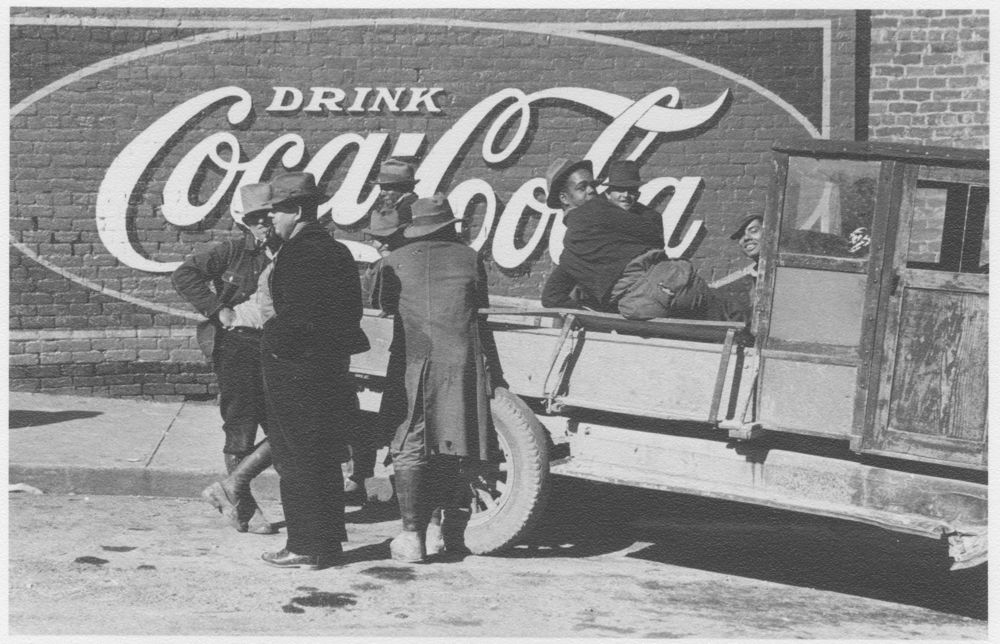
Original Image:
Corbin, KY, to Miami, 1939.
Photograph by Charles W. Cushman (1896–1972).
Source: Charles W. Cushman Black and White Slides Collection.
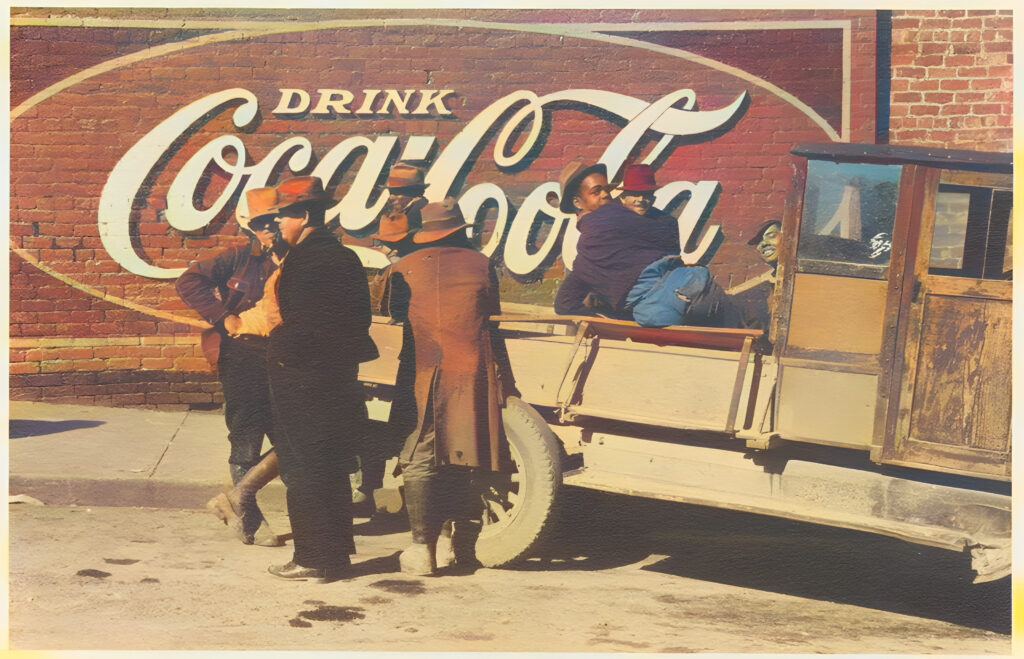
Colorized Version:
Corbin, KY to Miami, 1939 (Colorized).
Colorized using DeOldify, February 2026.